
The maker movement and tinkering is something that showed up during last decade because the society needs more professionals related with design and engineering. I can not express this better than Agency by Design of Project Zero (Harvard Graduate School of education) when they explained in their website:
“Over the past decade there has been a resurgence of interest in making things—as opposed to merely consuming them—and the theme of making has risen to the surface in national and global conversations around economics, entrepreneurship and education. Whether in schools, after-school settings, libraries, or museums, an interest in providing opportunities and spaces for making has become ubiquitous. This renewed interest in making has come to be known as the maker movement—a rising interest in sharing and learning from others while working with one’s hands within interdisciplinary environments that combine a variety of tools and technologies. Maker-centered learning has likewise become increasingly popular—young people (and teachers and parents alike) have greater opportunities to build, hack, redesign, and tinker with a variety of materials, within school- or community-based spaces, through design thinking and engineering programs, and at Maker Faires. This approach to learning requires new frameworks for thinking about pedagogy, as well as updated approaches to learning from classroom data.”
In CISS we are aware of how important is this, that’s why all the teachers of our staff take into account when we prepare our plans. Also last summer, during our well known summer camp Dr. Savate set up a “Makers Lab” for the upcoming school year. A place full of material where children can explore and experience.
Some moths ago when I was planning my units, I decided to incorporate something about ” the maker movement” and this is what has happened…
In our unit about toys, “The Magic Toy Maker”, we have been working about shapes in Math, and we also connected our inquiry to the games from the past and compare to the toys and games nowadays. I asked my colleagues if they were able to support our inquiry showing us what kind of toys did they use to have and play with. So after the first workshop about making a doll with corn husk with Ms. Wynter, we understood that we can do our own toy to have fun.
- First I asked the families to bring stuff they were going to throw away. So we were storing different material until we have enough to work with and then we played “guess what is under the cloth”, and we did a thinking routine: “What can you see?”, “what do you think is that?” and “what do you wonder about it?”. Then the kids chose the materials they wanted to work with.
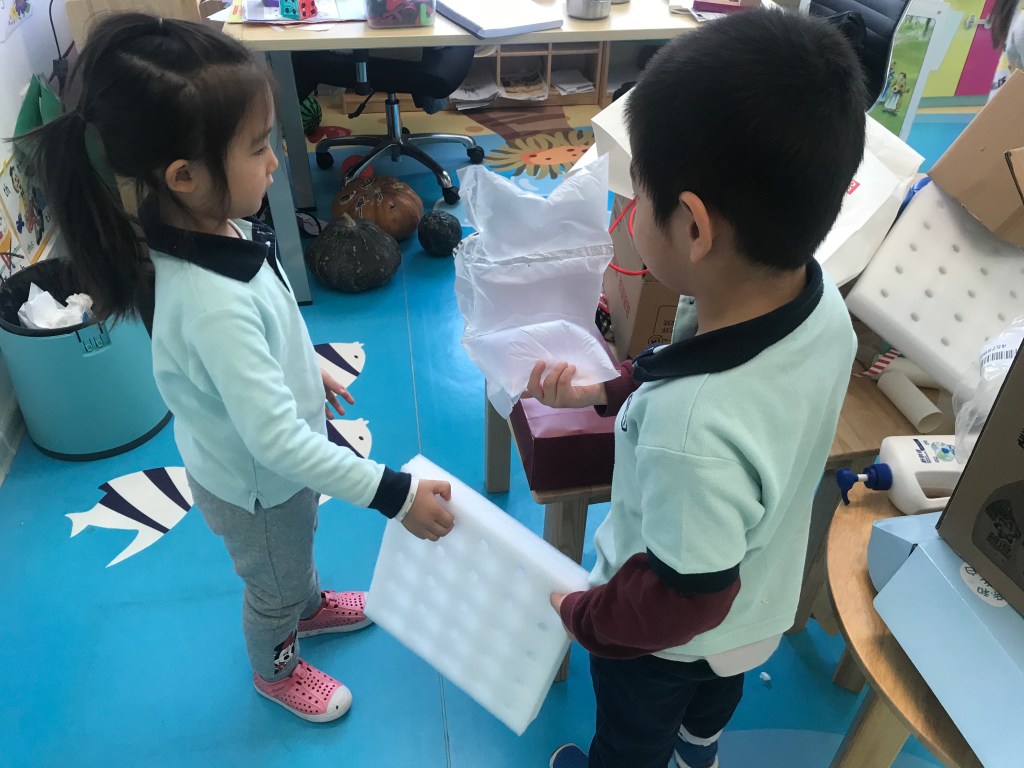
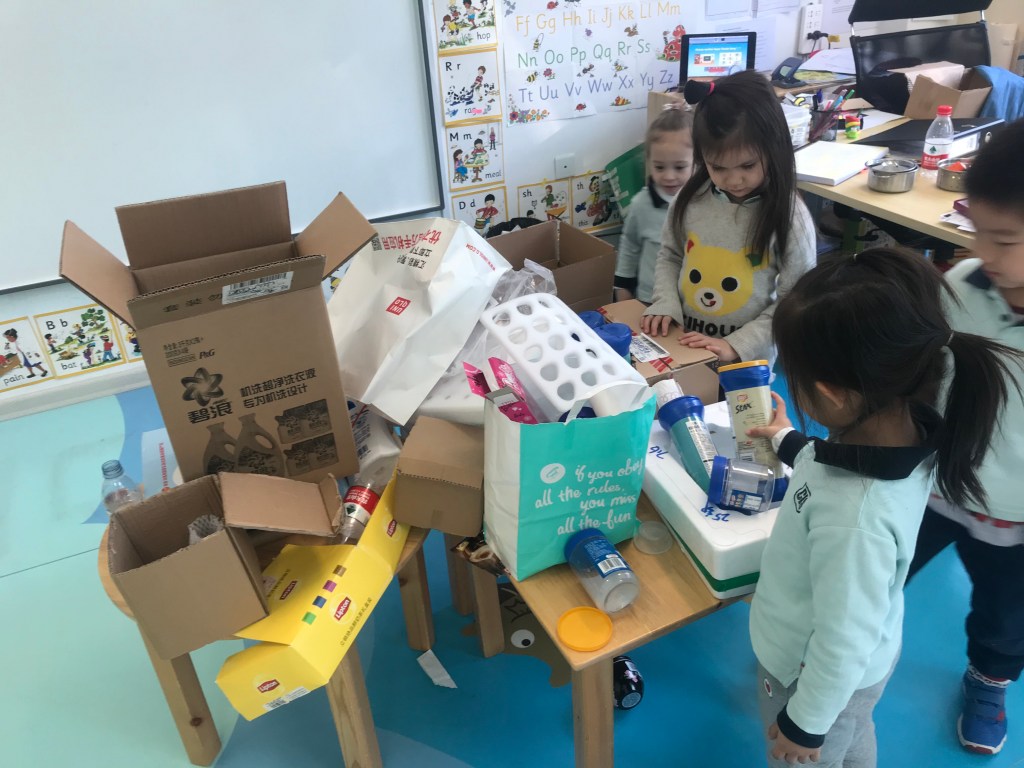
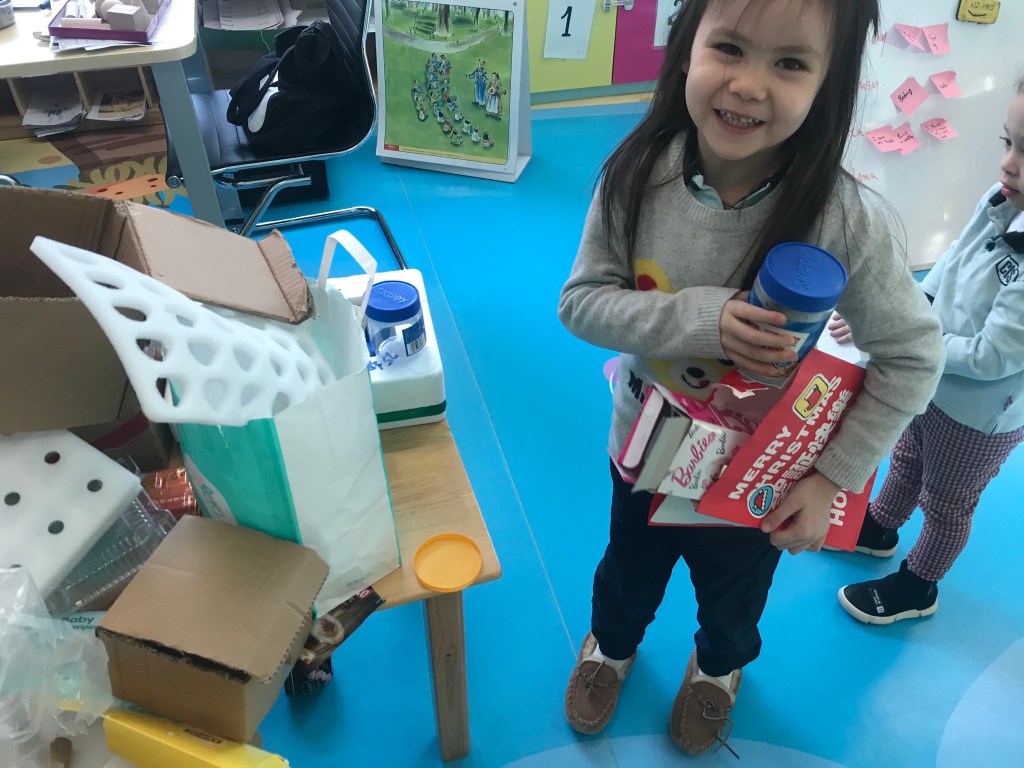
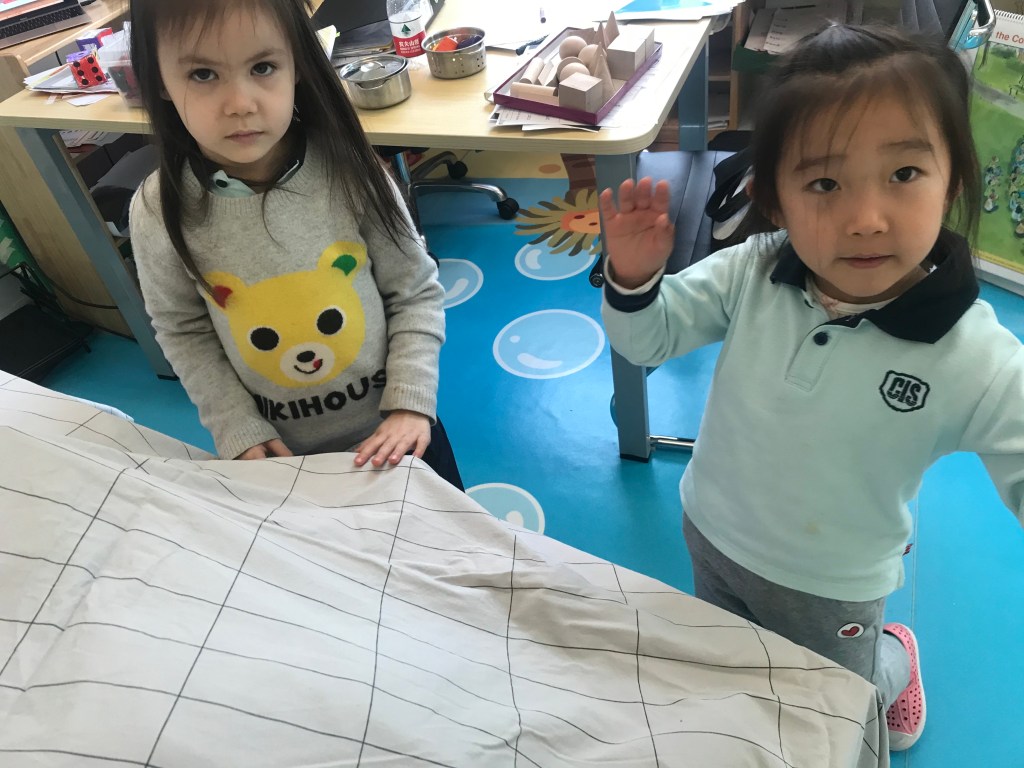
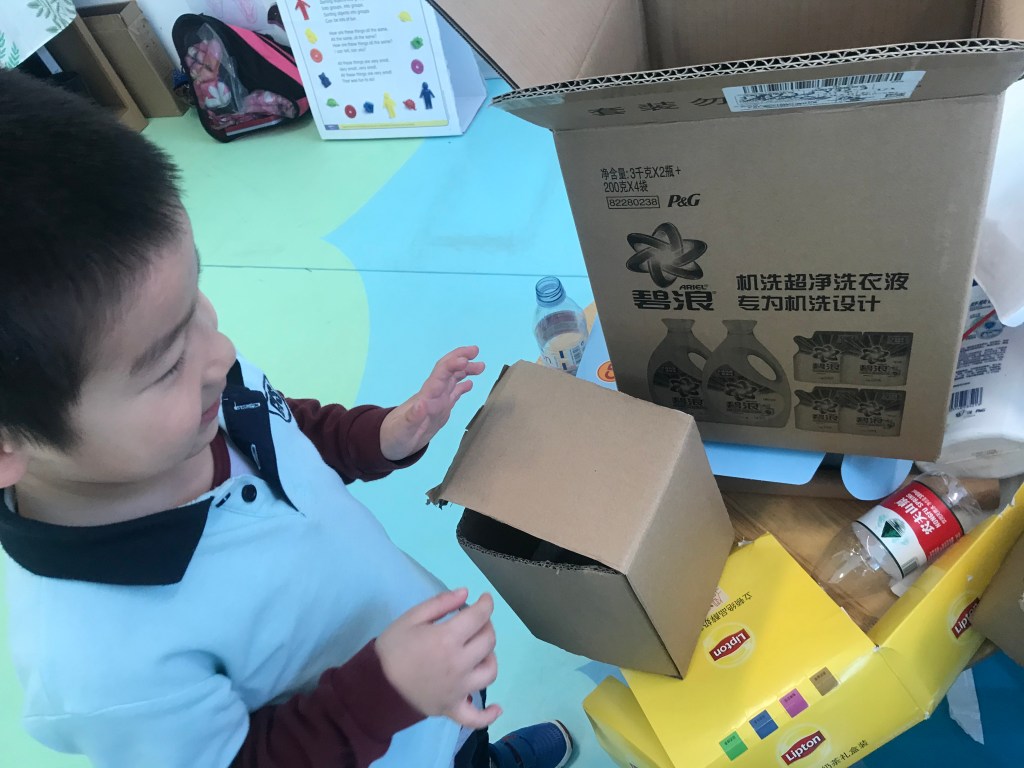
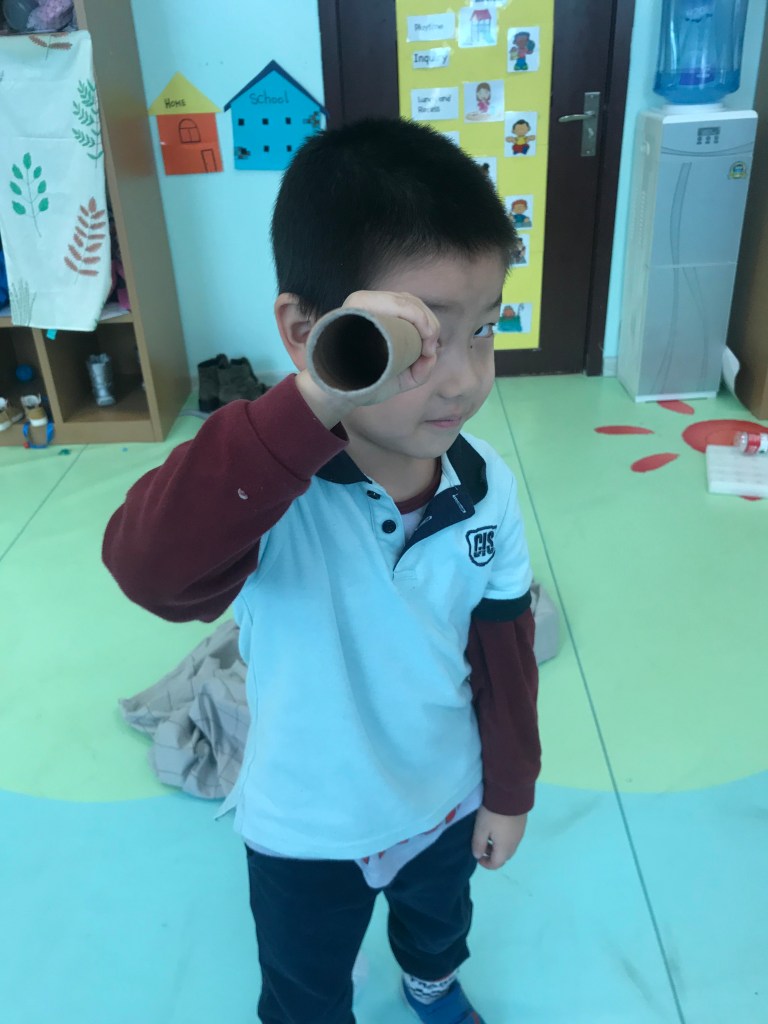
- Next day, in the art room, we were talking about the materials they chose and the shapes of this materials. So they were thinking what to do with those materials. So as we were saying during our unit: toys and games come from our imagination… When they decided, we started another kind of work: preparing and making our toy.
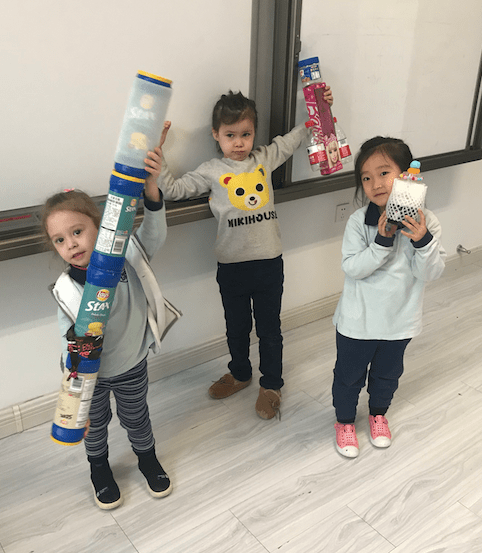
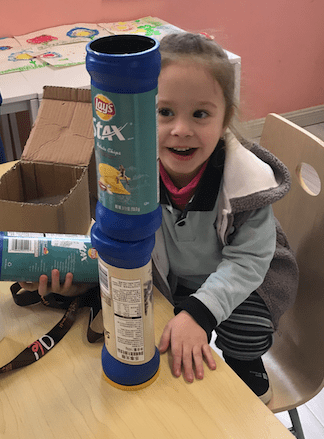
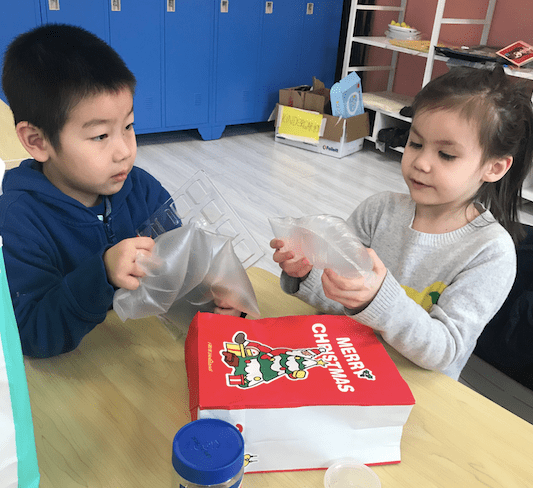
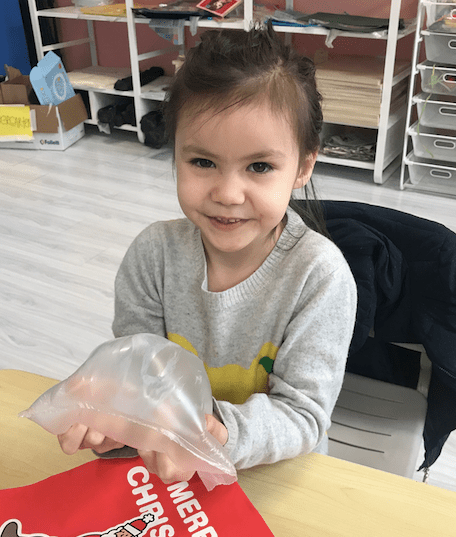
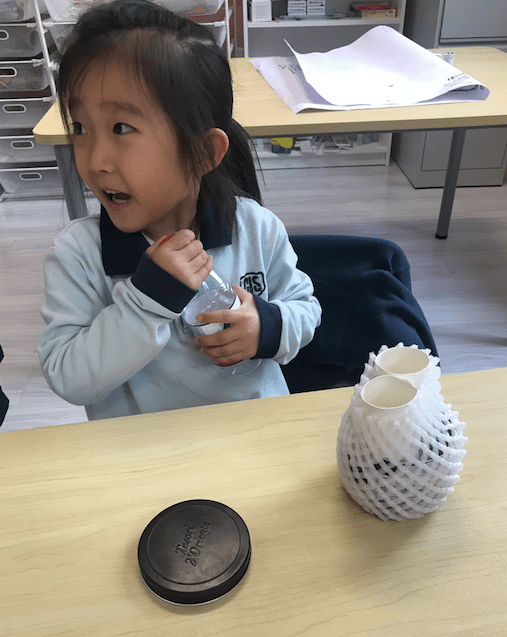
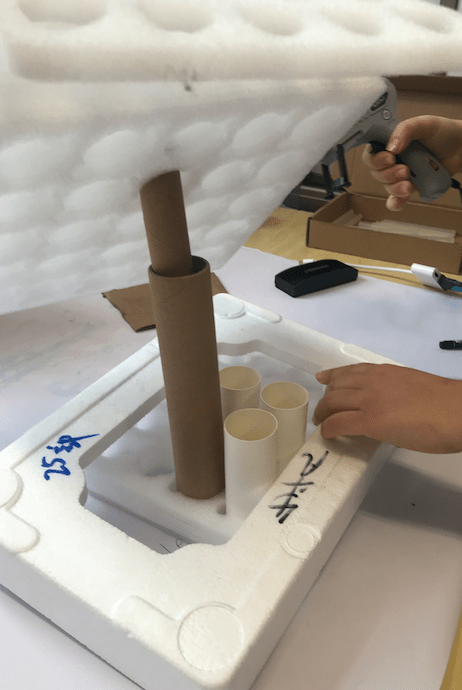
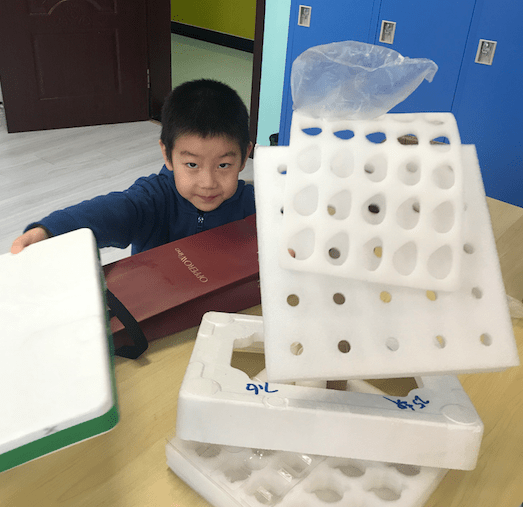
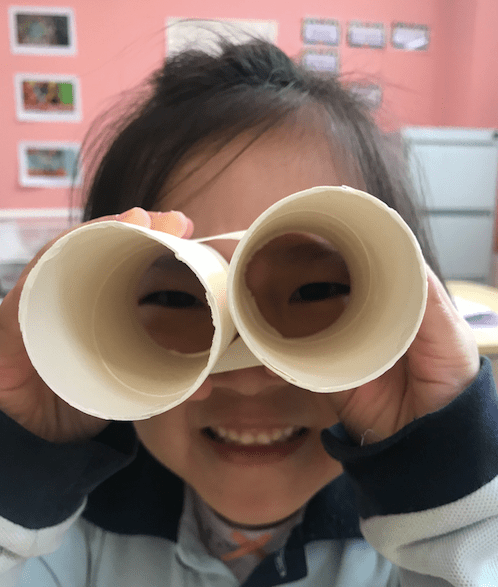
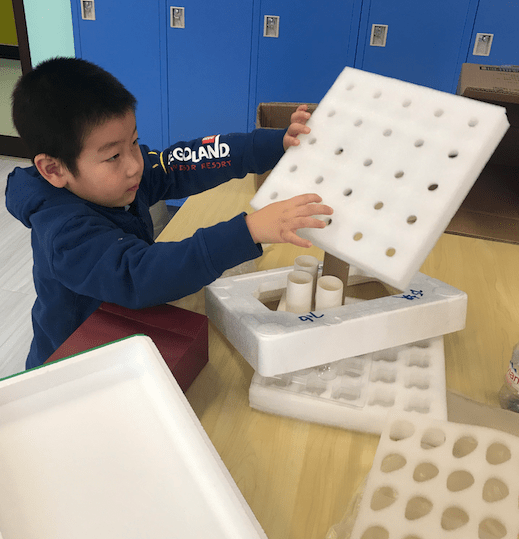
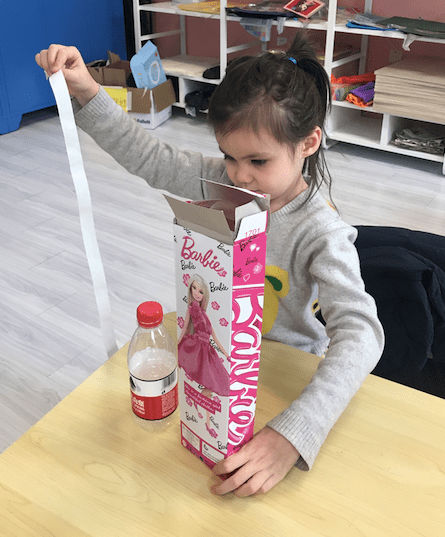
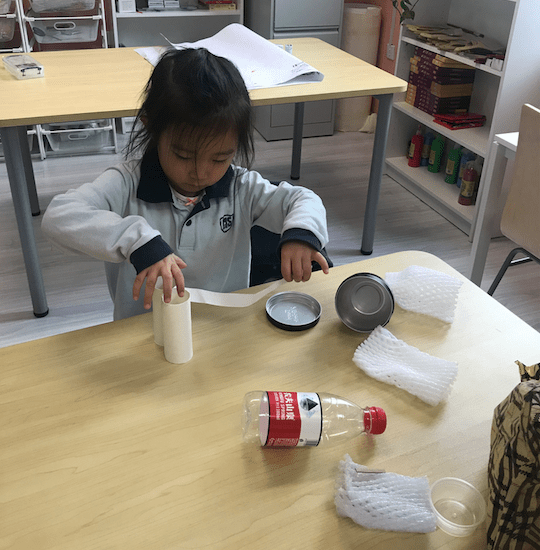
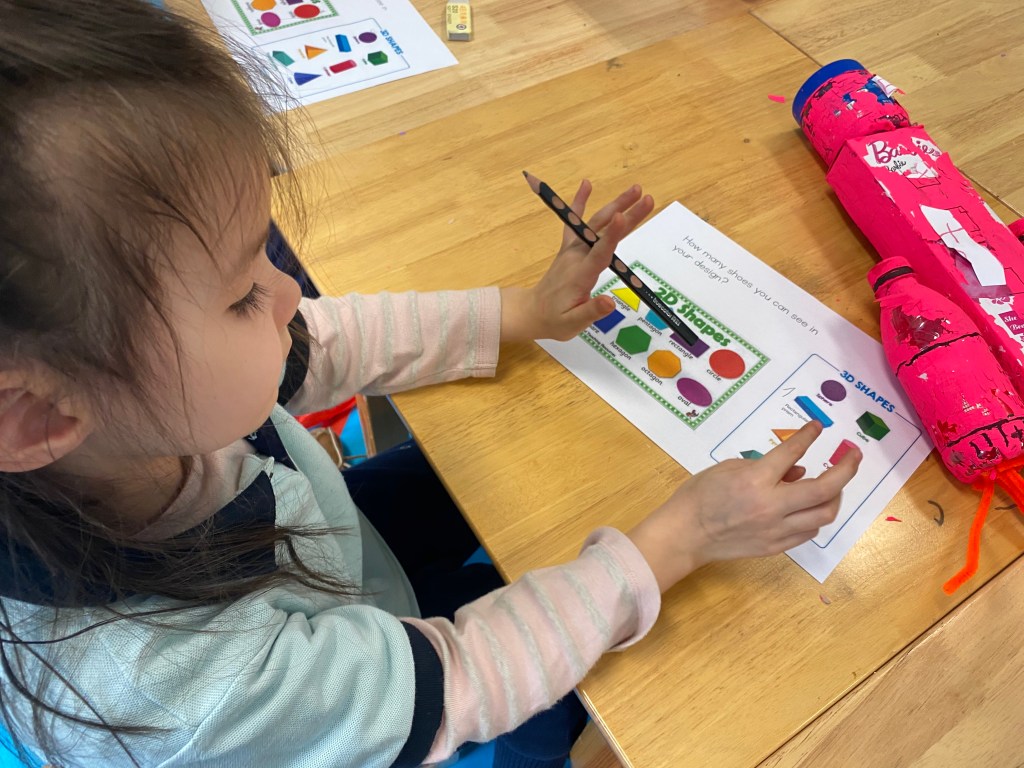
- We were working hard in the art room 2 weeks more, finishing our toys. When we finished we did a worksheet about shapes “What shapes can you see in your design?” and we counted them.
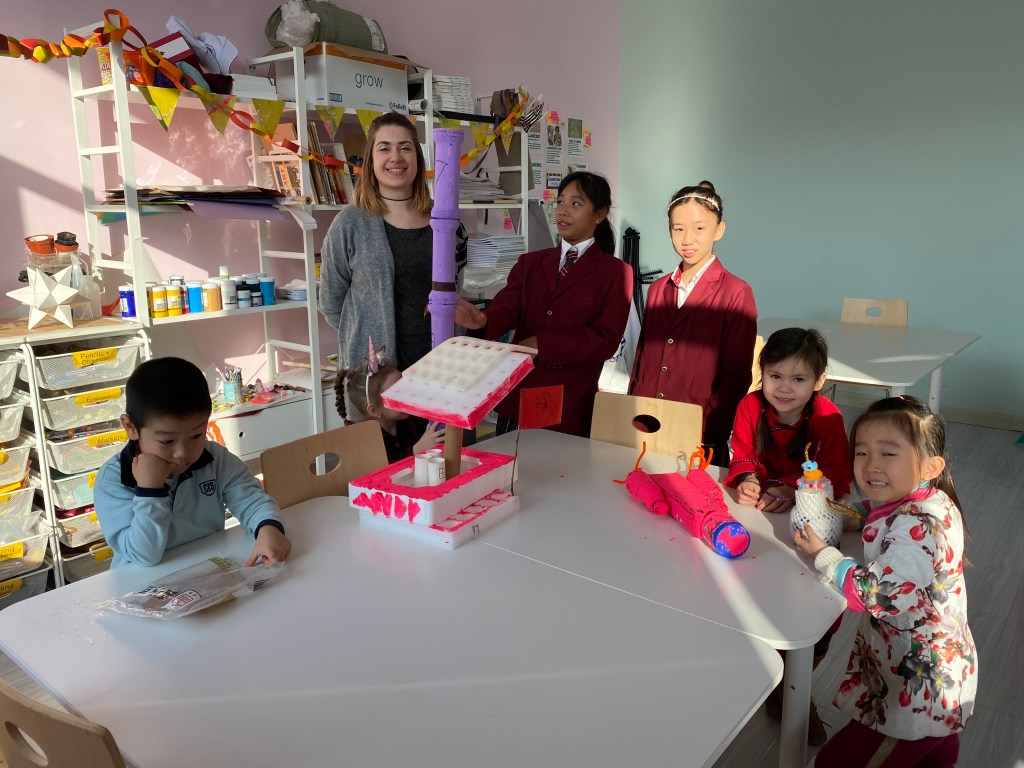
- We create an exposition spot in the hall close to the classroom to invite the students of the school to play “Guess what are these toys?”.
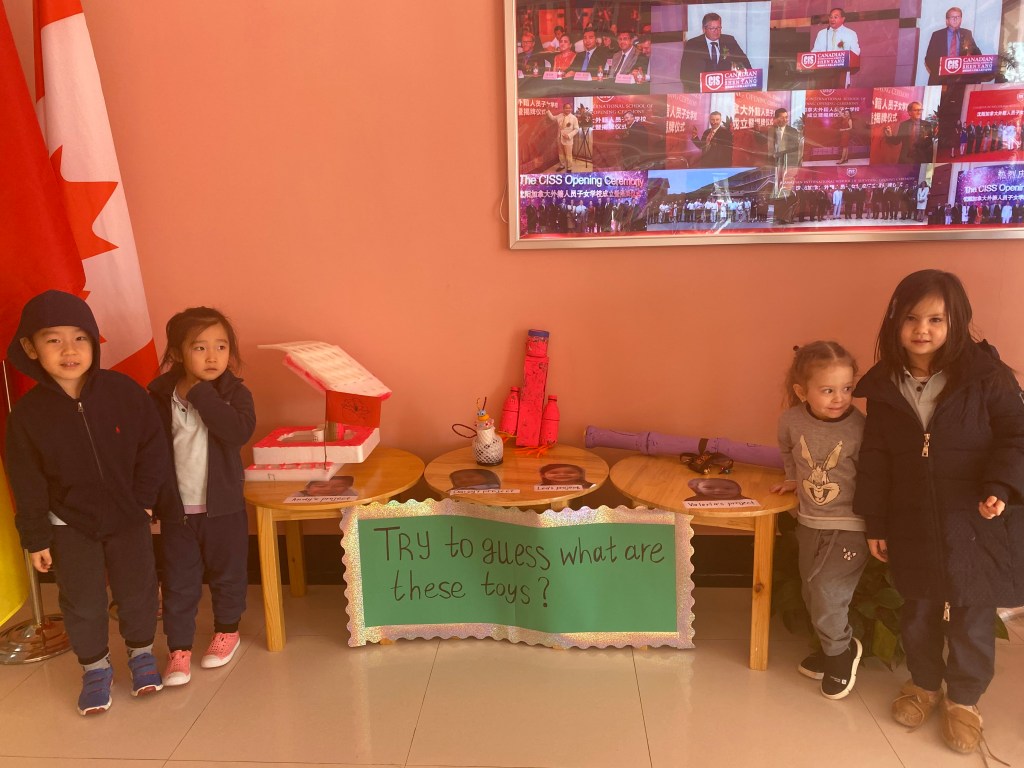
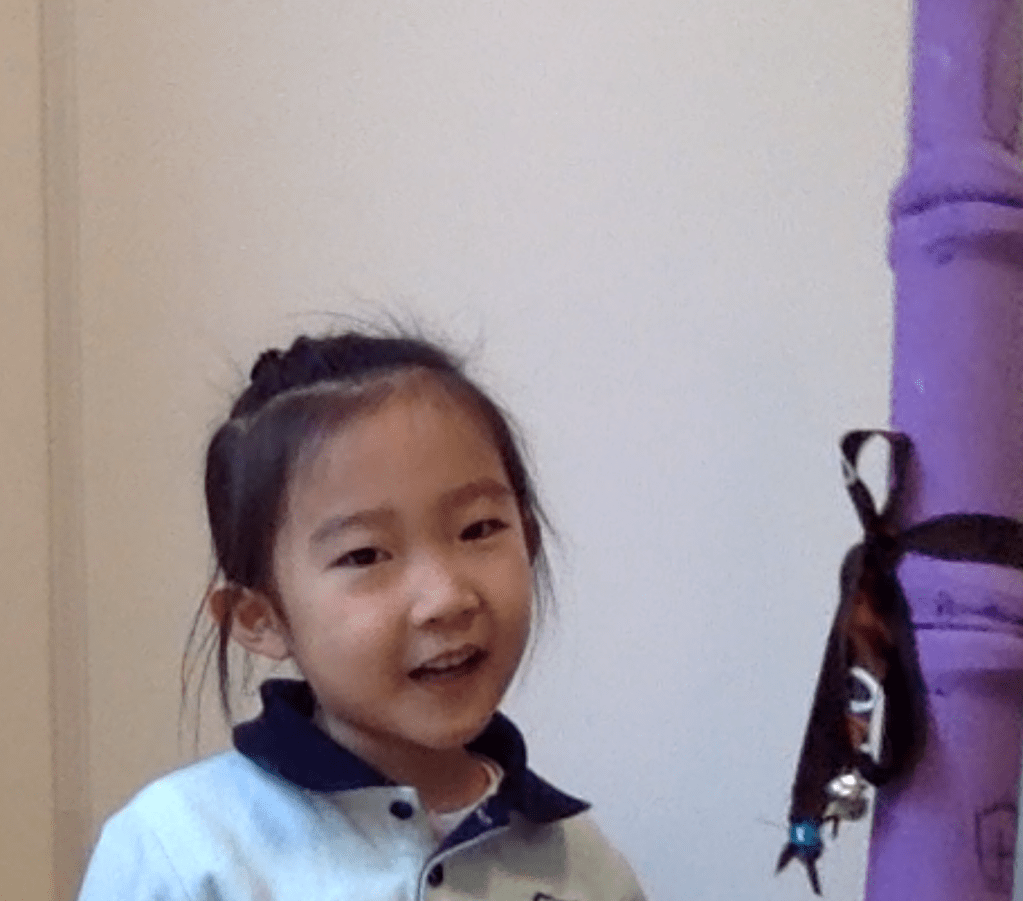
- Finally we reflected about what things we can change to make our toy better, and everybody was very proud about their toys. We also did a pair-assessment: the students chose a toy from one of their classmates and they made a video explaining why they like that toy.
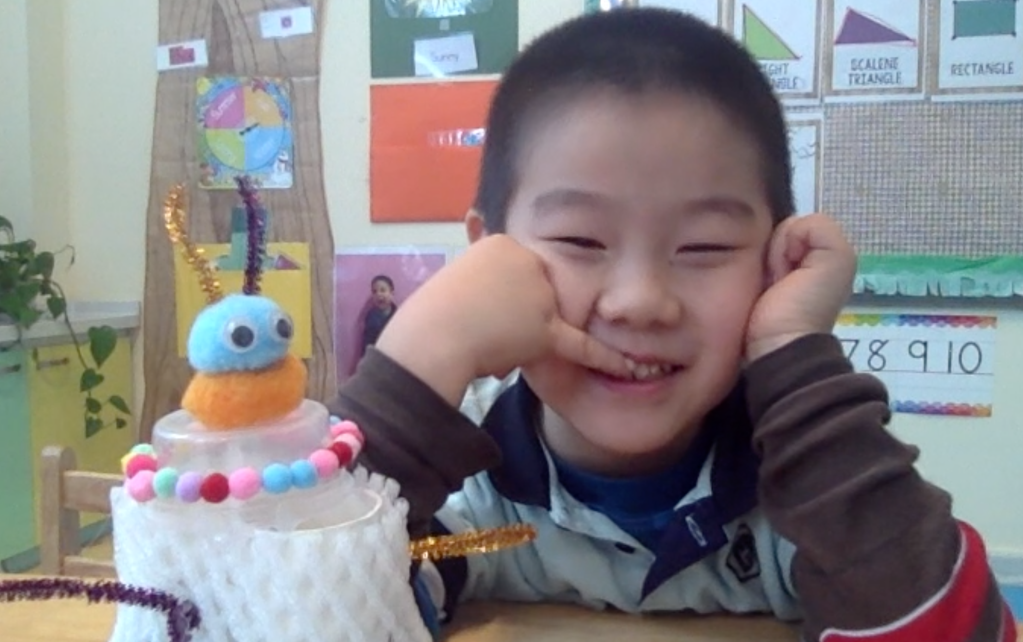
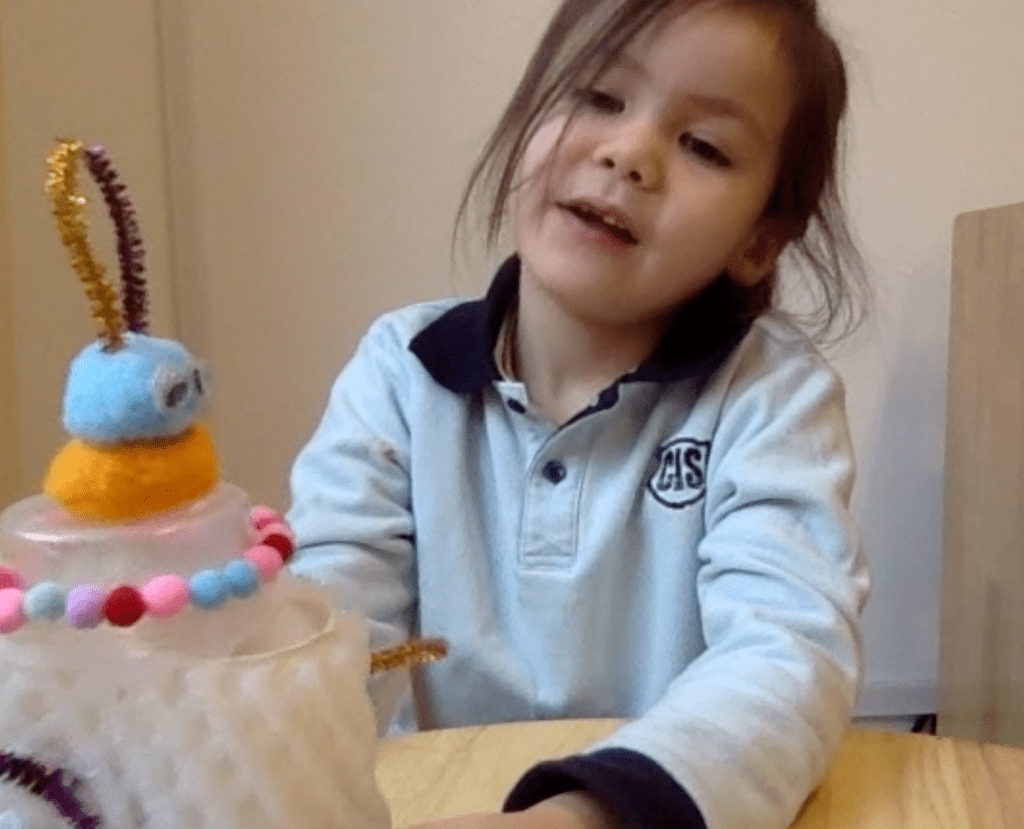
- As we said before all this project was connected to the inquiry, of course, but also with Math. We have been working 2D and 3D shapes, so we also did a special and final assessment to reflect about the shapes we used in our toy.
- We also went upstairs to show Ms. Dugdale our toys, she is grade 7 homeroom teacher but she is also Art and design teacher in MYP.
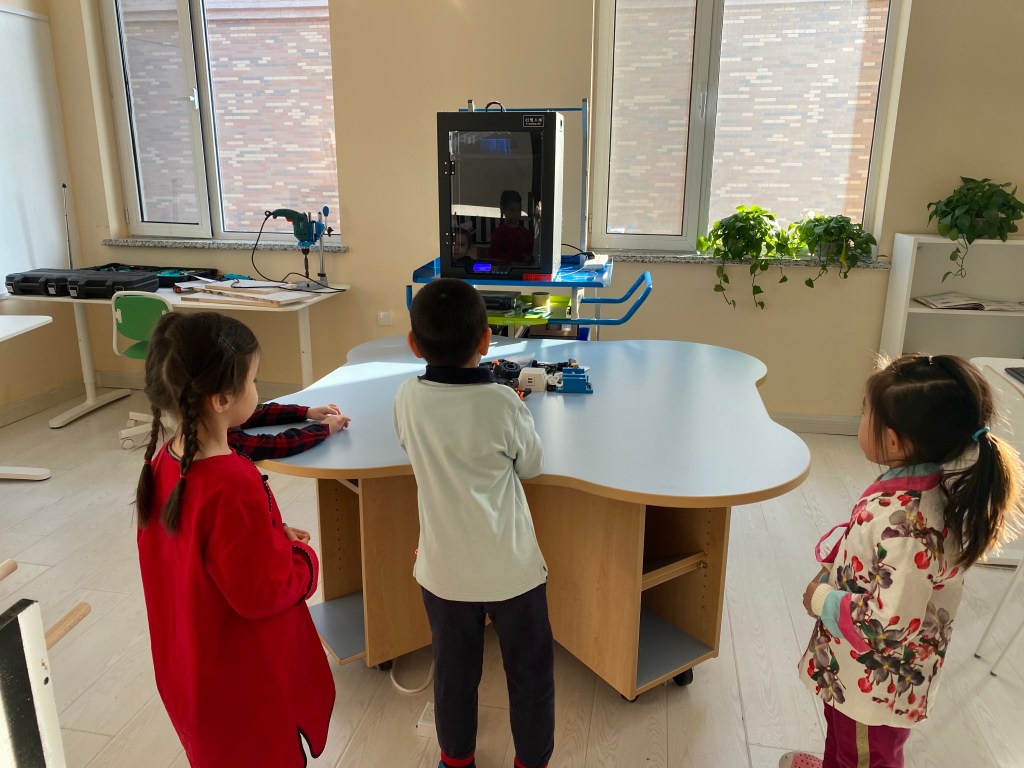
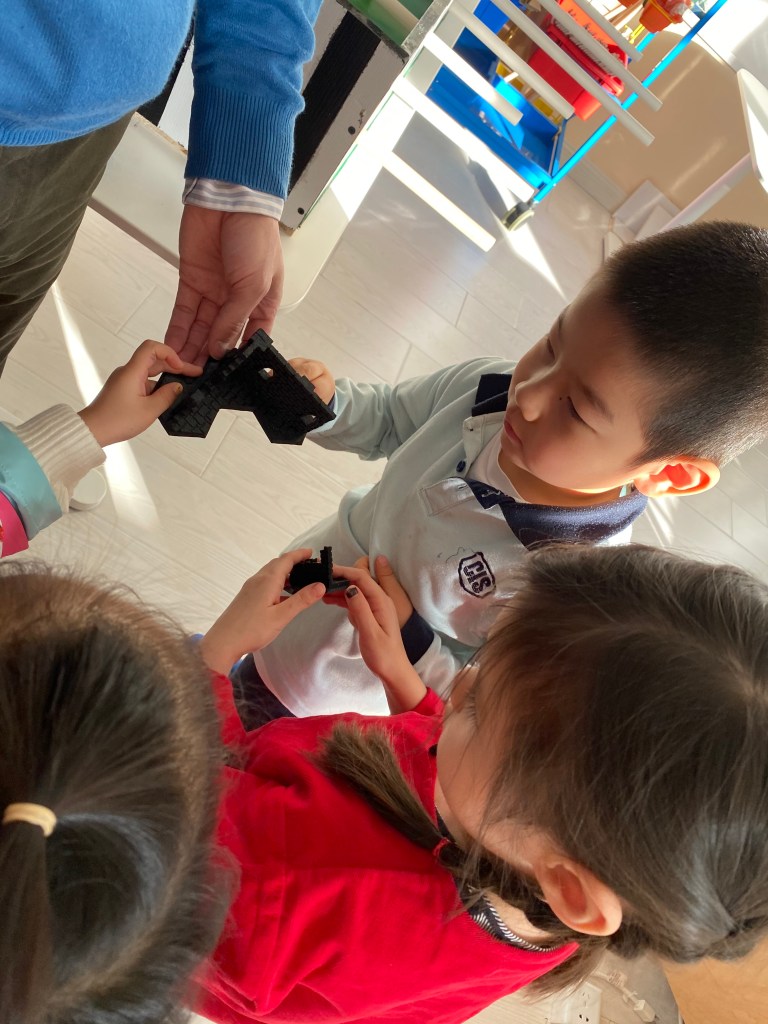
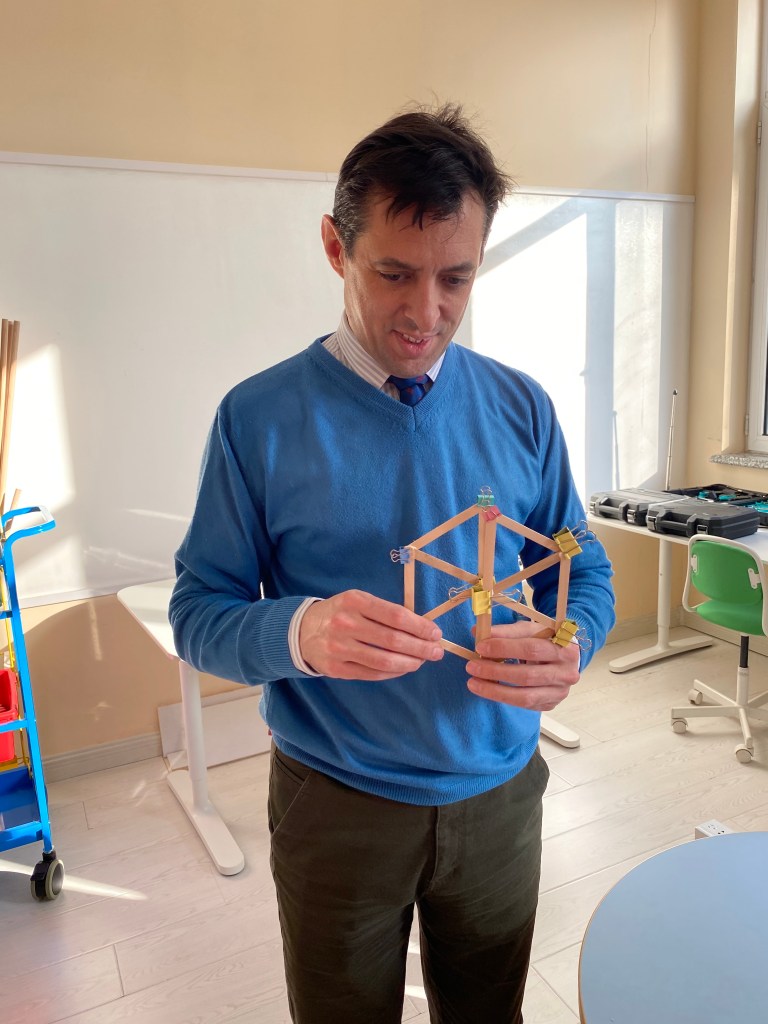
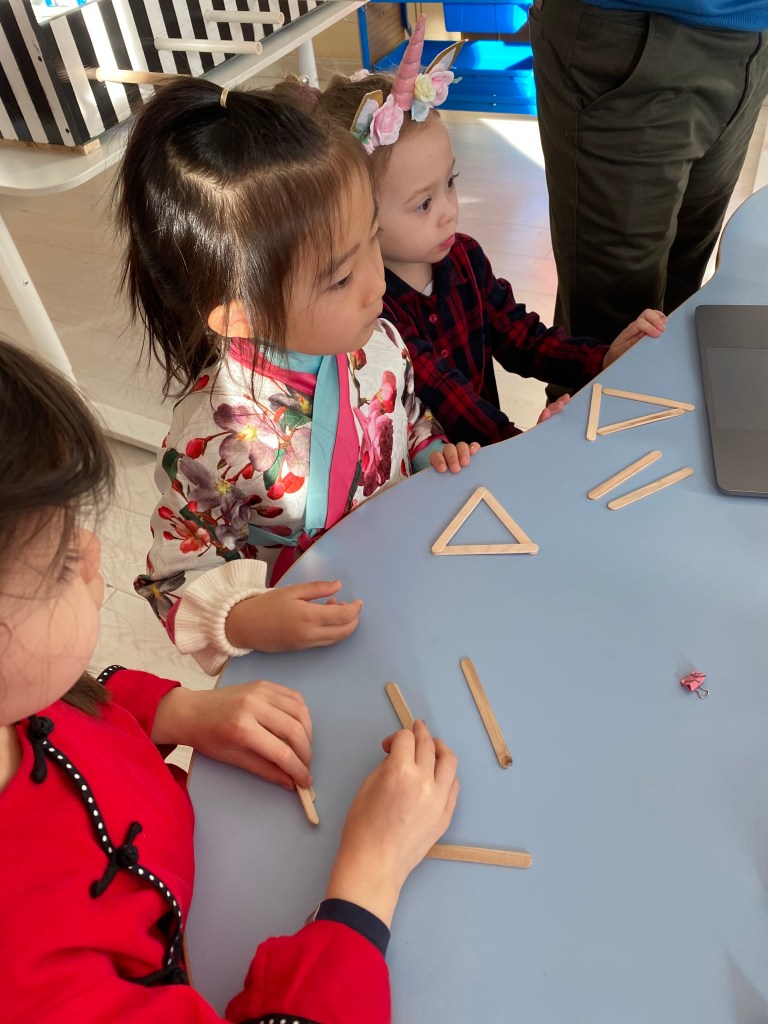
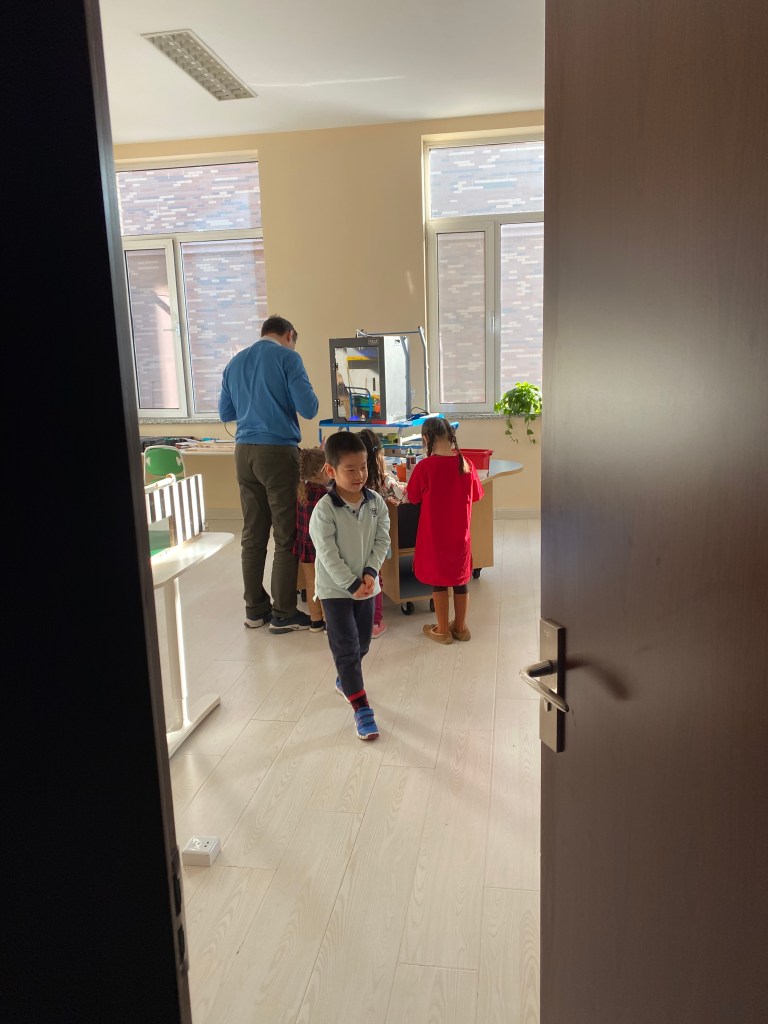
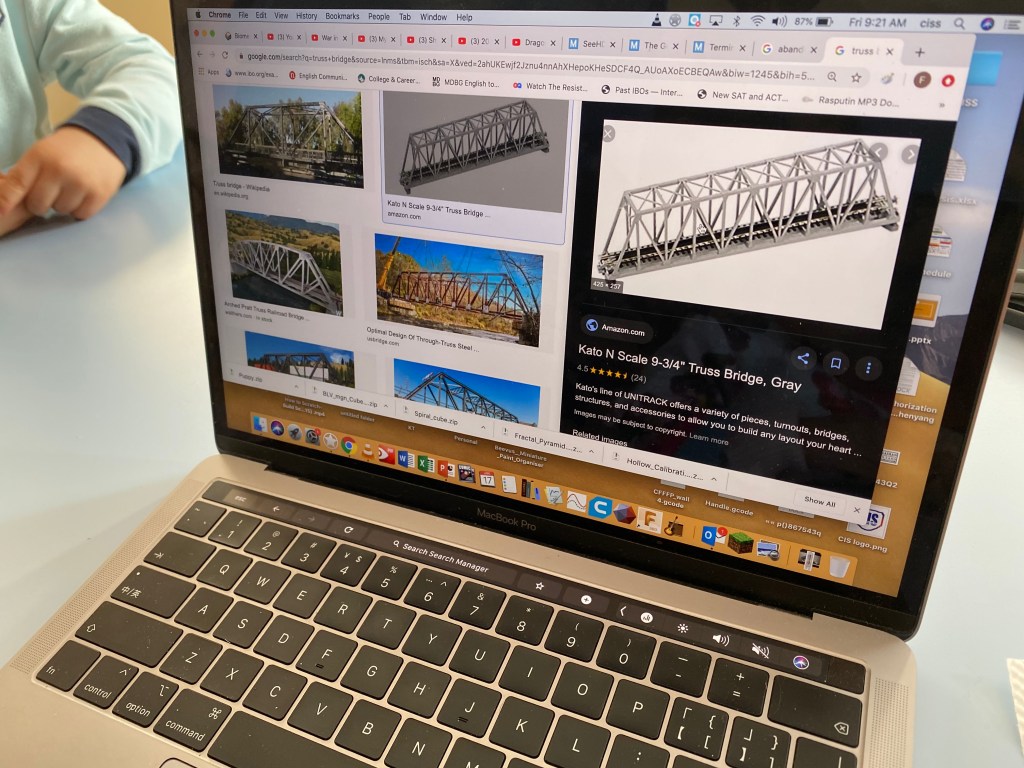
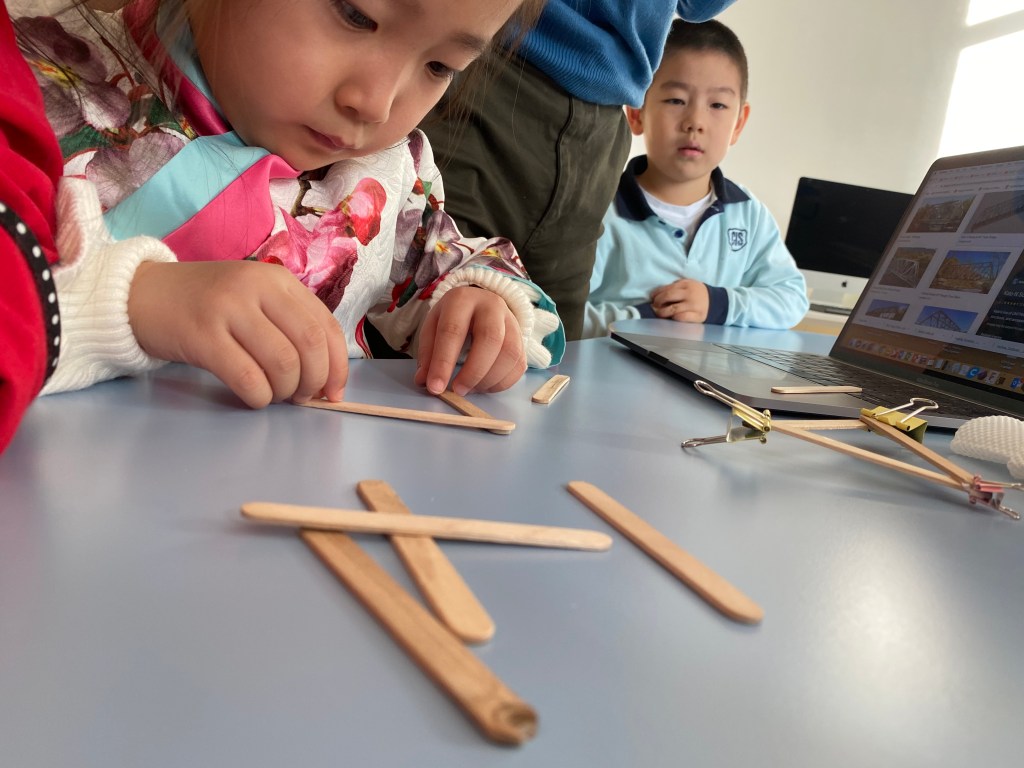
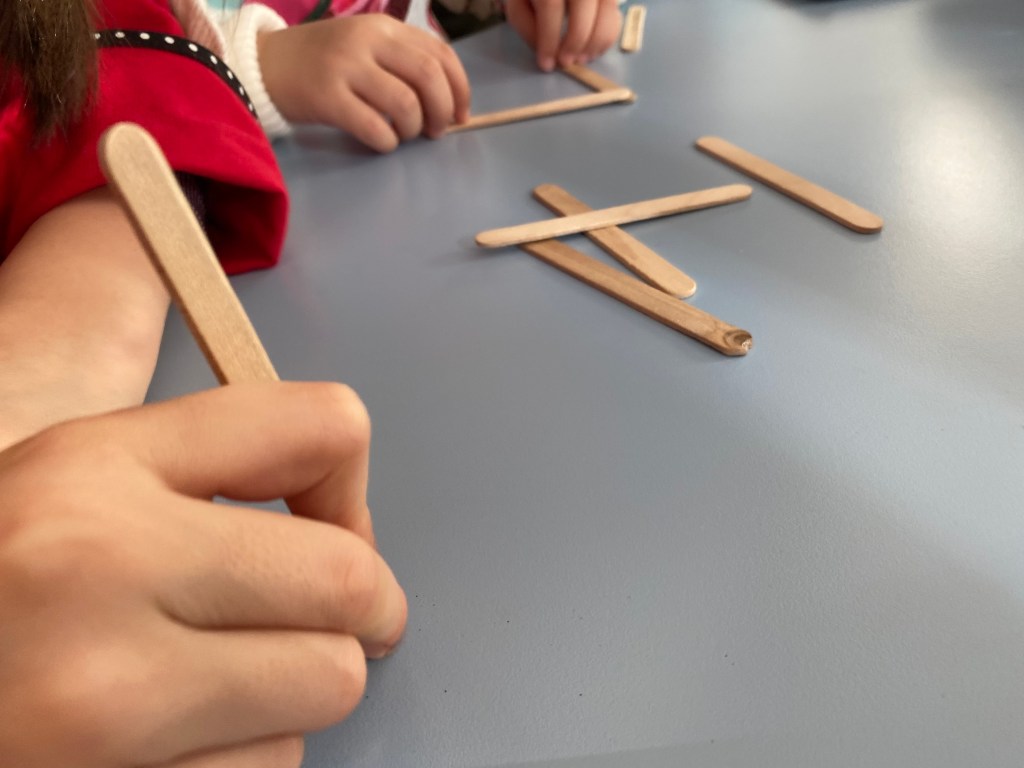
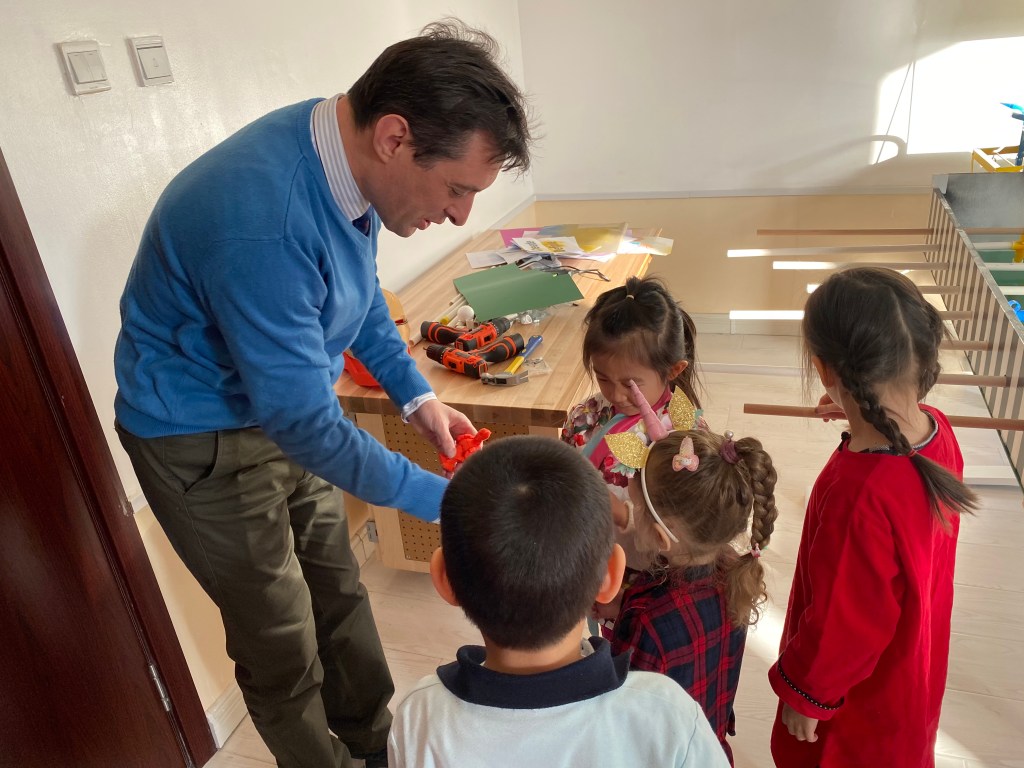
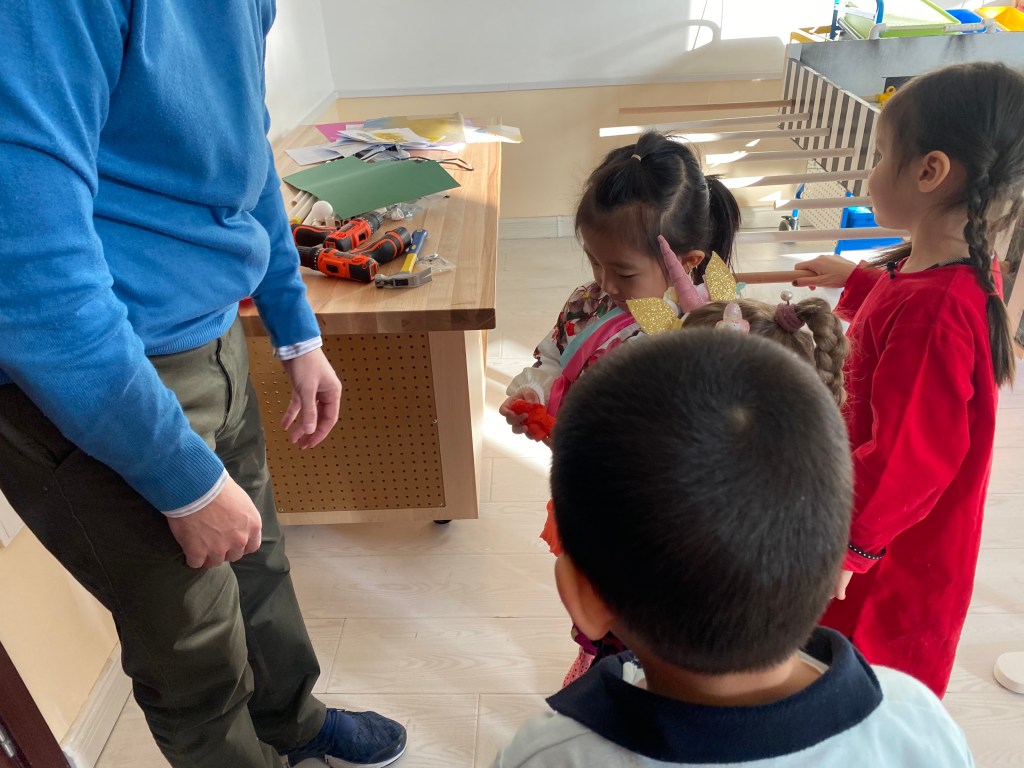
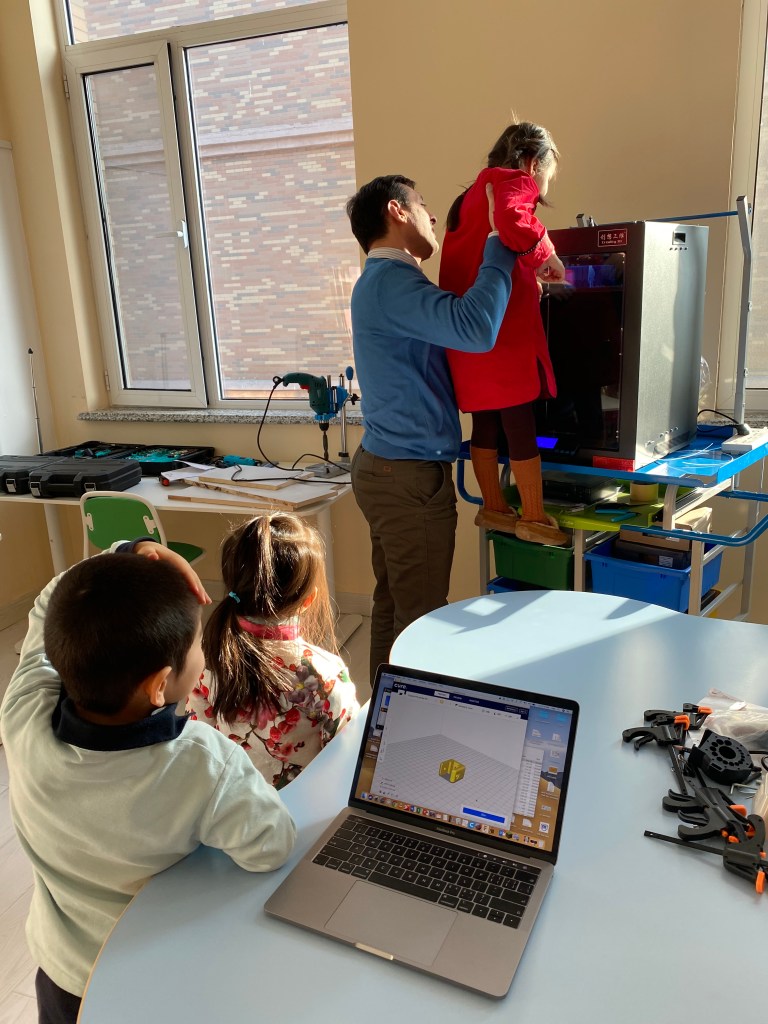
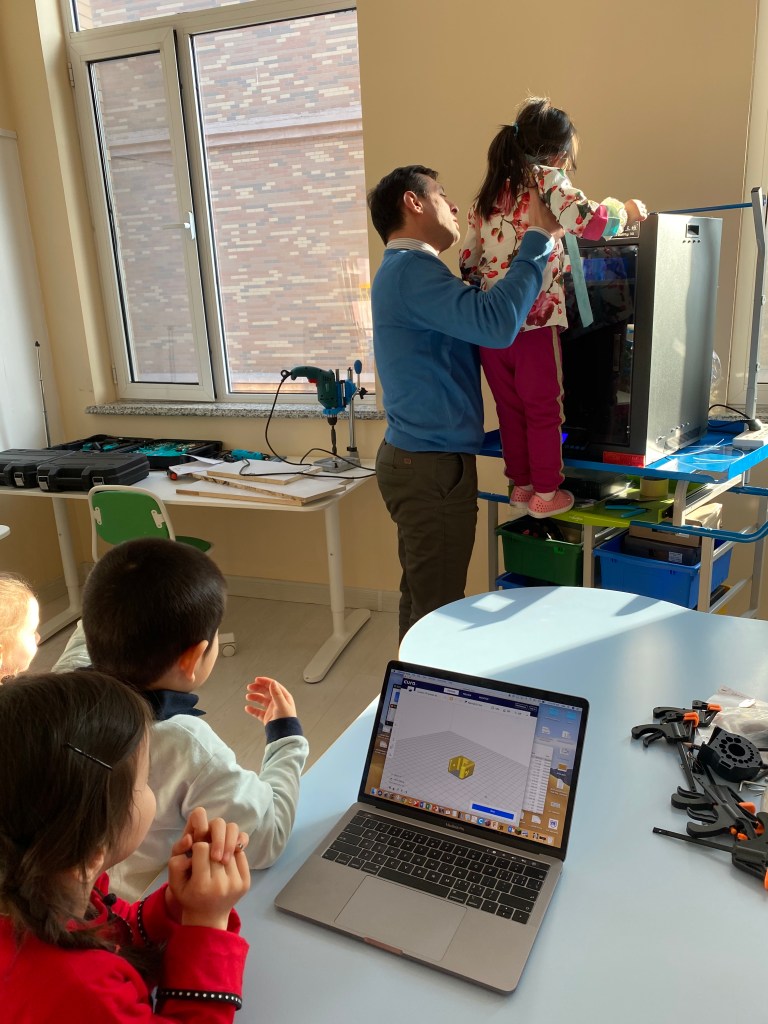
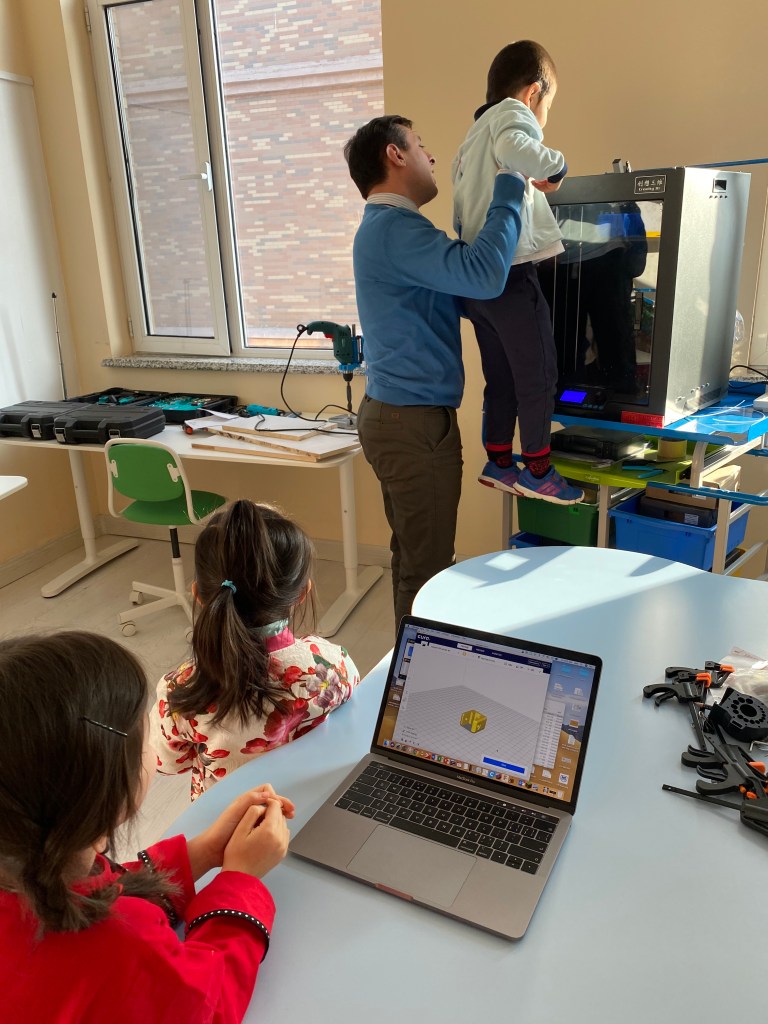
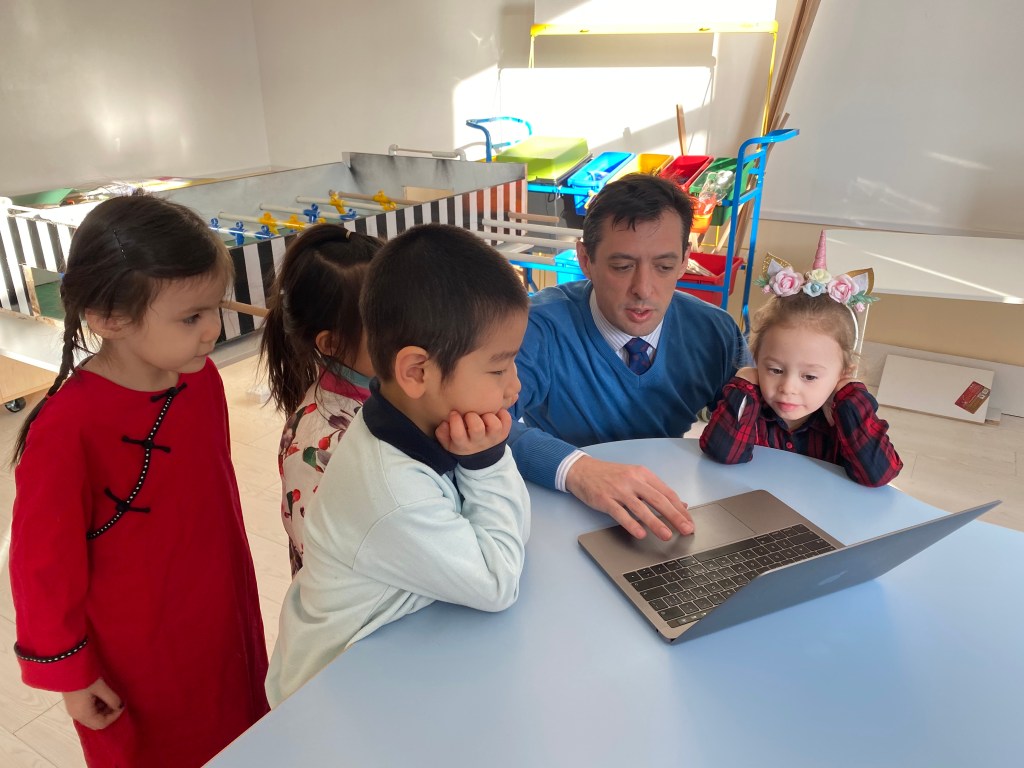
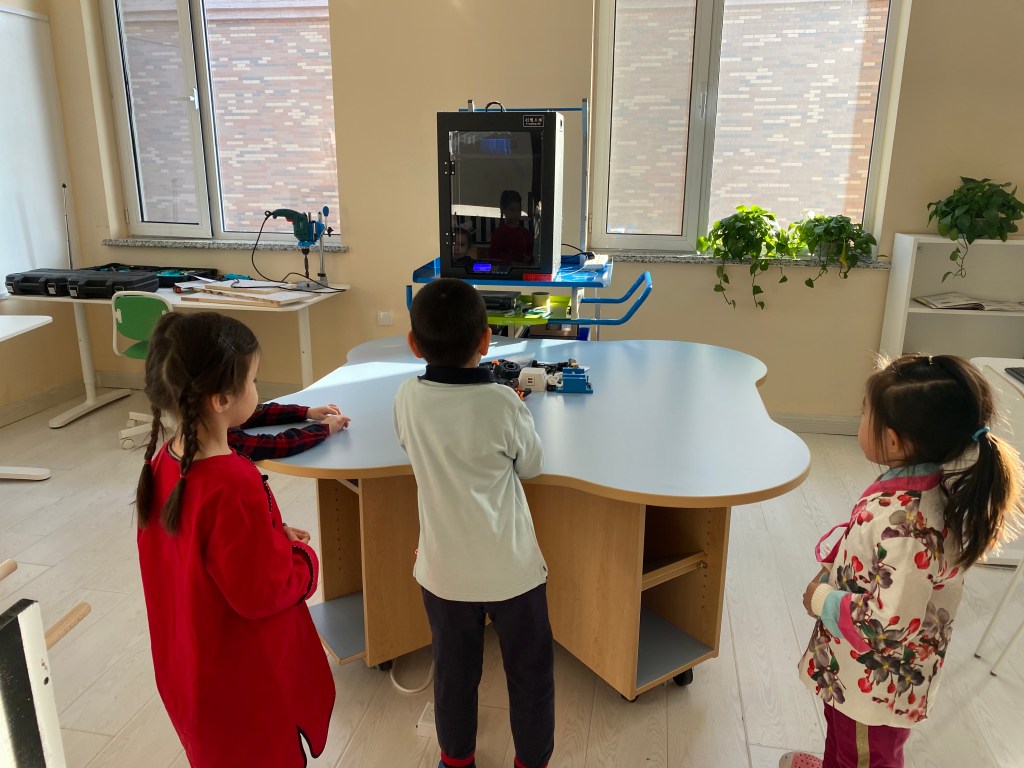
- Last but not least, we went to the makers lab with Dr. Savate, to see the lab, and to know more things about what can we do there. It was very cool because we saw a 3D printer working. And Dr. Savate give us sticks and we made a bridge, making many triangles! After holidays we will go to the lab again see if we can finish the bridge and check how strong can it be (that is what Dr. Savate said!).
 CISS Teacher's Blog