
By Ms. Lolla Du Plessis, Grade 1 Homeroom Teacher and EAL teacher.
Has it ever happened to you that you just cannot find something that you are looking for? It may be a case of a failing memory, but the chance is bigger that it was just not put back in the specific place reserved for it! This happened to me on Wednesdag when I was looking for my sunglasses before we went out for our Earth Day project to pick up trash on the mountain…
It made me think back to the 5S-System that we used to organize our workplace. To help us find things more easily and organize our lives better, we can learn a lot from the 5S-system.
But what is the 5S system, and how can it make our lives, and work places more organized and efficient?
The 5S system was developed in Japan and it improves your workplace efficiency whilst reducing lost productivity due to delayed work. No, or minimum time is wasted looking for items that you just cannot find!
The steps of this system are:
1. Seiri (tidiness). This step requires you to Sort out your work place. Go through everything that you keep in your drawers, or on your study table, or under your desk. Remove items that do not belong there. Students need assistance with this step, as some of them like to collect stuff and tend to hoard, Put those items in a “holding “ area for a short while, as you may find that it could be of value in another area. If not, get rid of it.
2. Seiton (orderliness). Now that you have sorted and selected the essential items for a specific place, it is time to Set in Order. Organize a place for everything, and keep everything in its place. Find a specific place for your sunglasses, and always put it back there when you have used it. The same goes for keys, or your cell phone, or electronic cables.
3. Seiso (cleanliness). When everything have a place, it is time to Shine it! Clean and inspect your work space and tools regularly.
4. Seiketsu (standardization). You can have the best organized space in the world, but if you do not keep it that way, your work place and life will turn into shambles again. Try to Standardize the system that you have created. Set up rules to follow and enforce it. It does not matter if it is for the work space in a production plant, or your personal work space. If there is not an acceptable standard set and the rules are not applied or enforced, it holds no benefit or value for anyone.
5. Shitsuke (discipline). This step links closely with the previous one. The system will fail if it is not Sustained. It initially takes effort and discipline to uphold this system. However, if you make these steps part of your daily life it will become a habit and easier to keep in place. Maintain the system
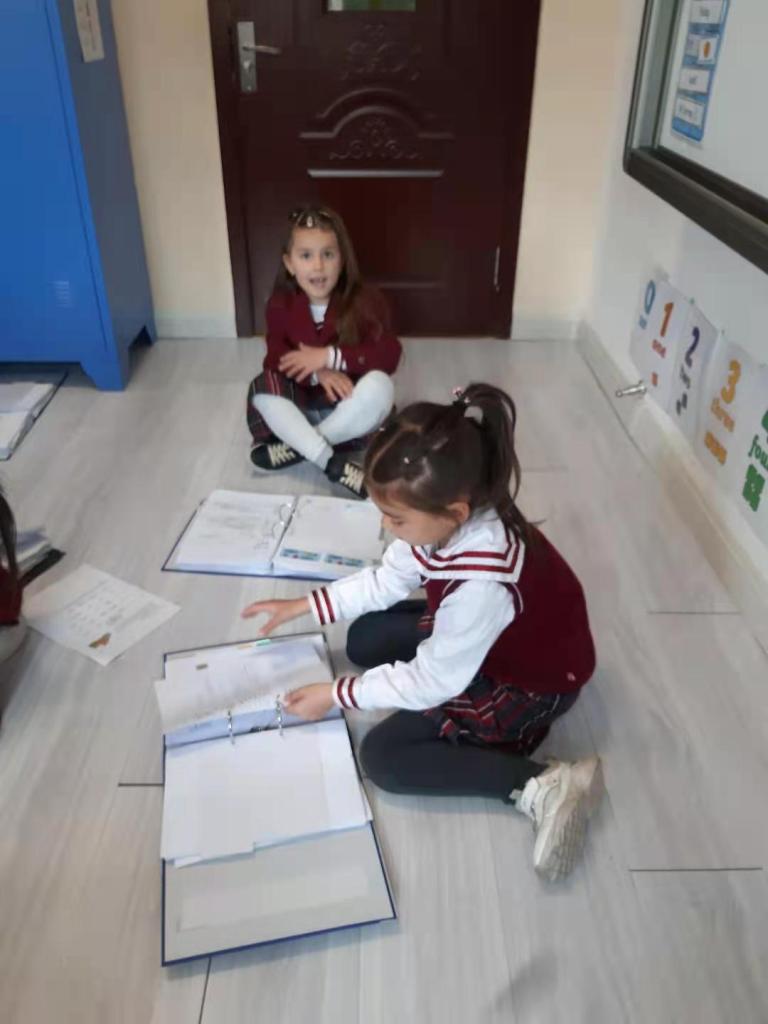
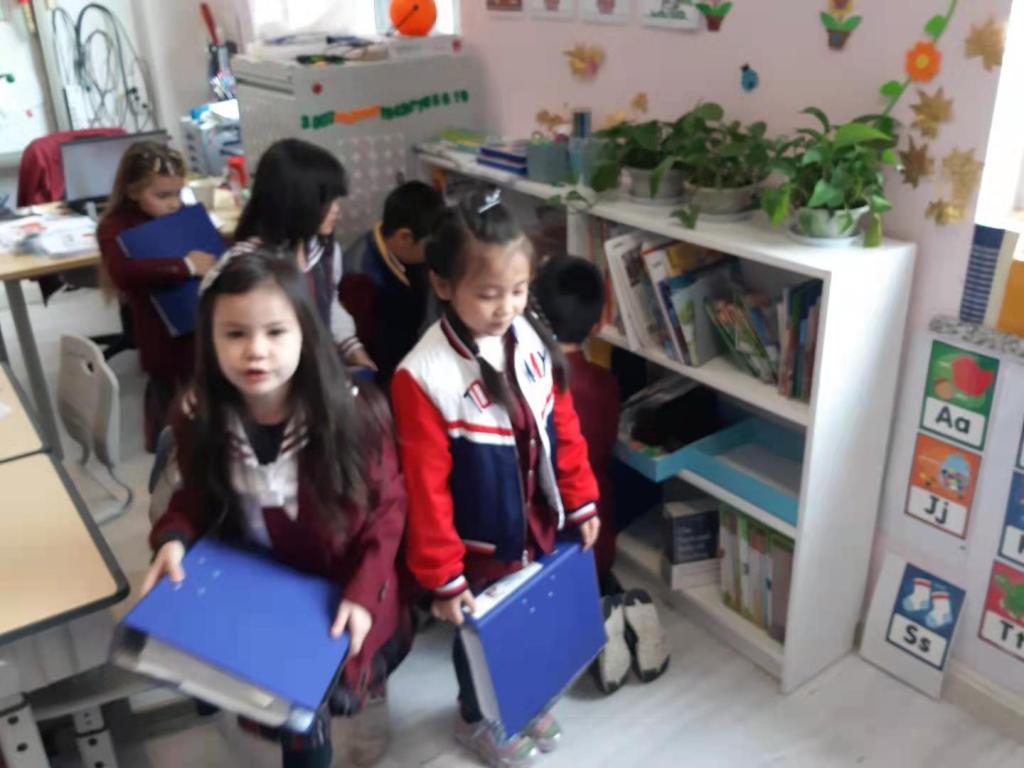
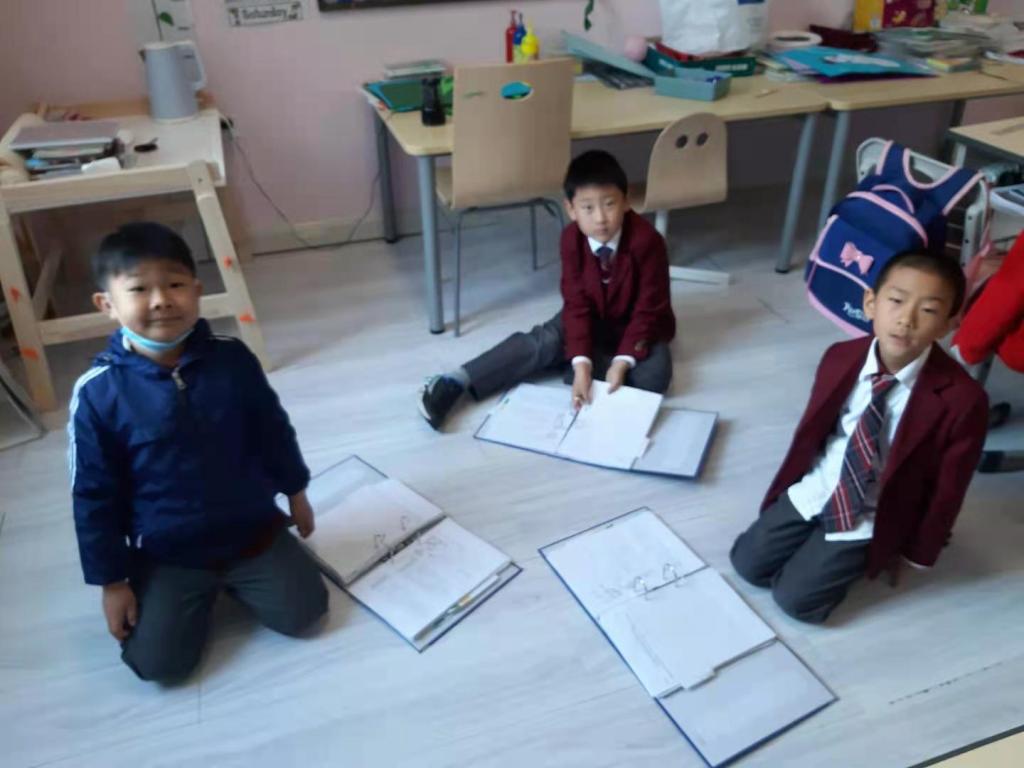
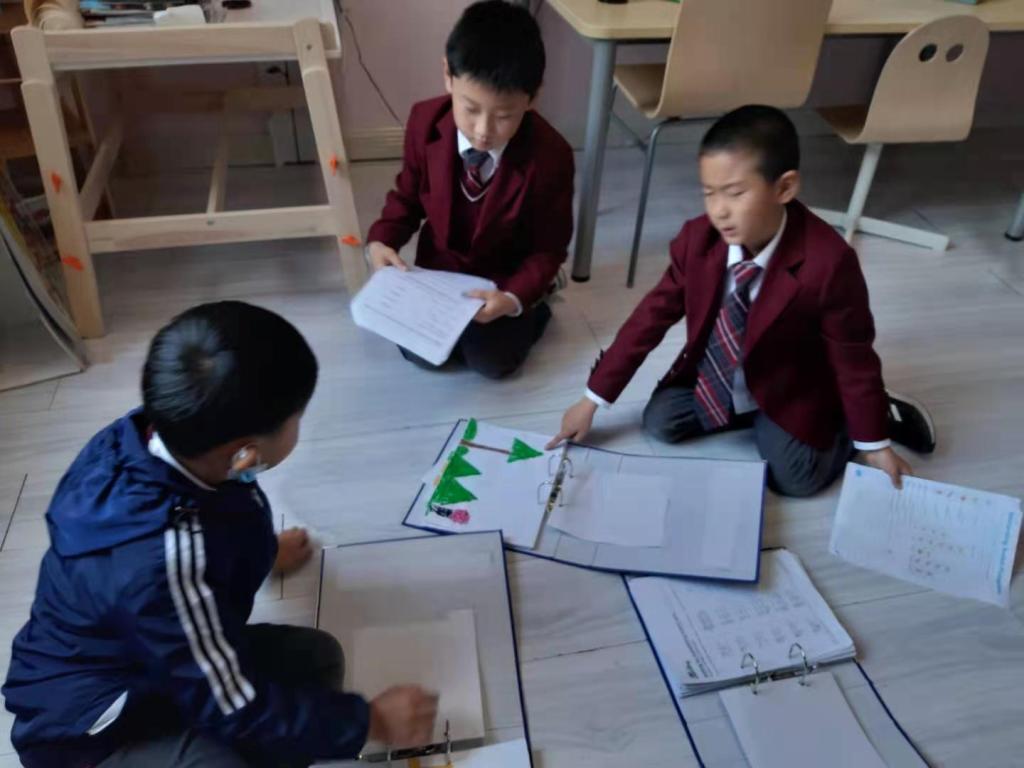
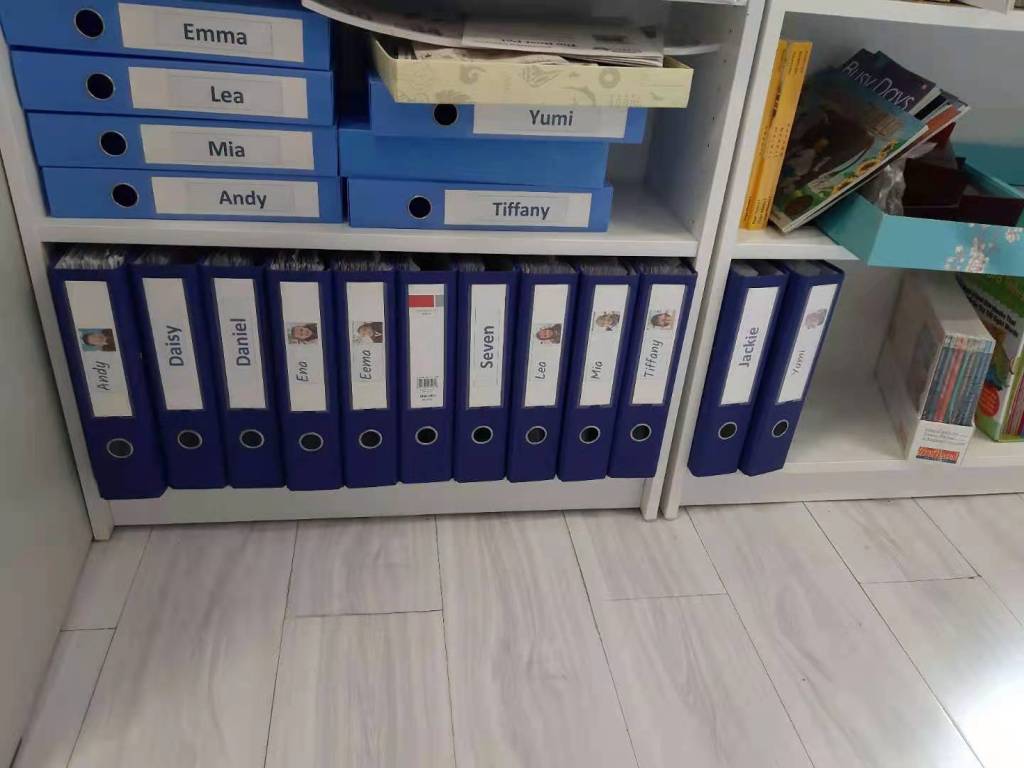
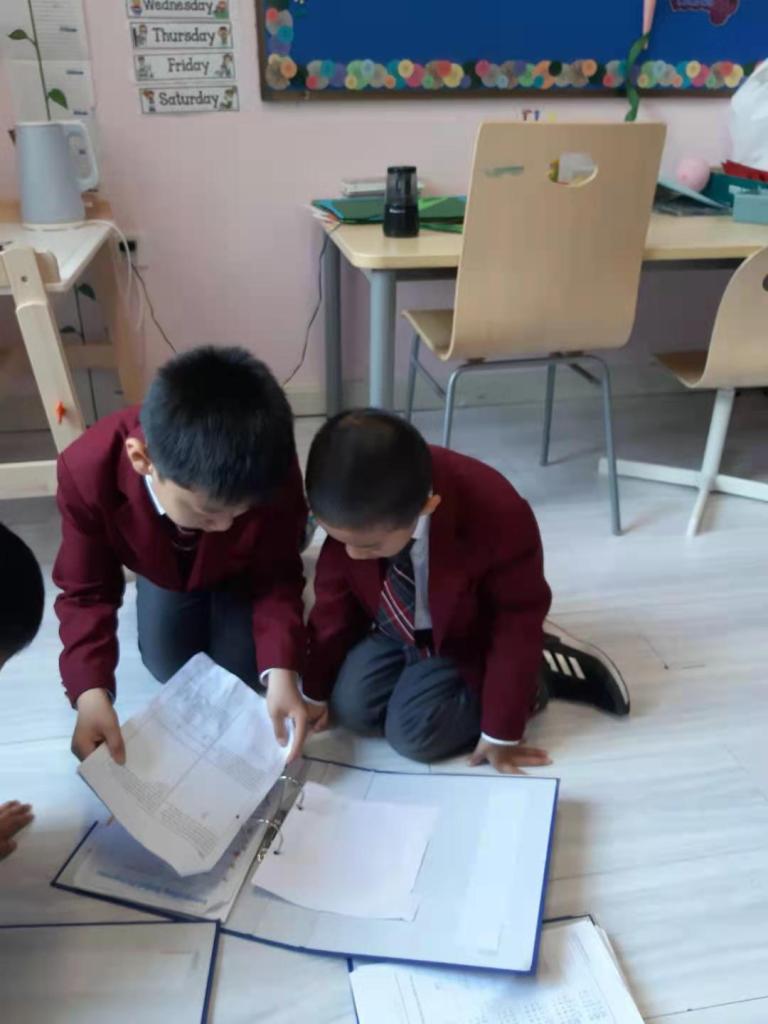
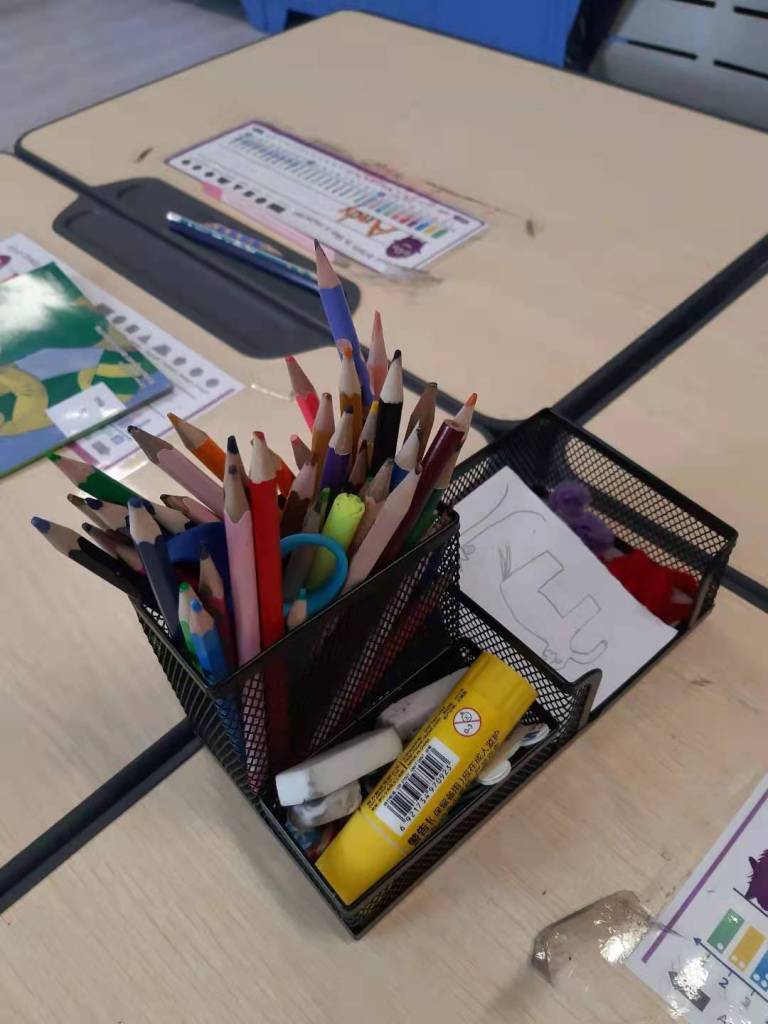
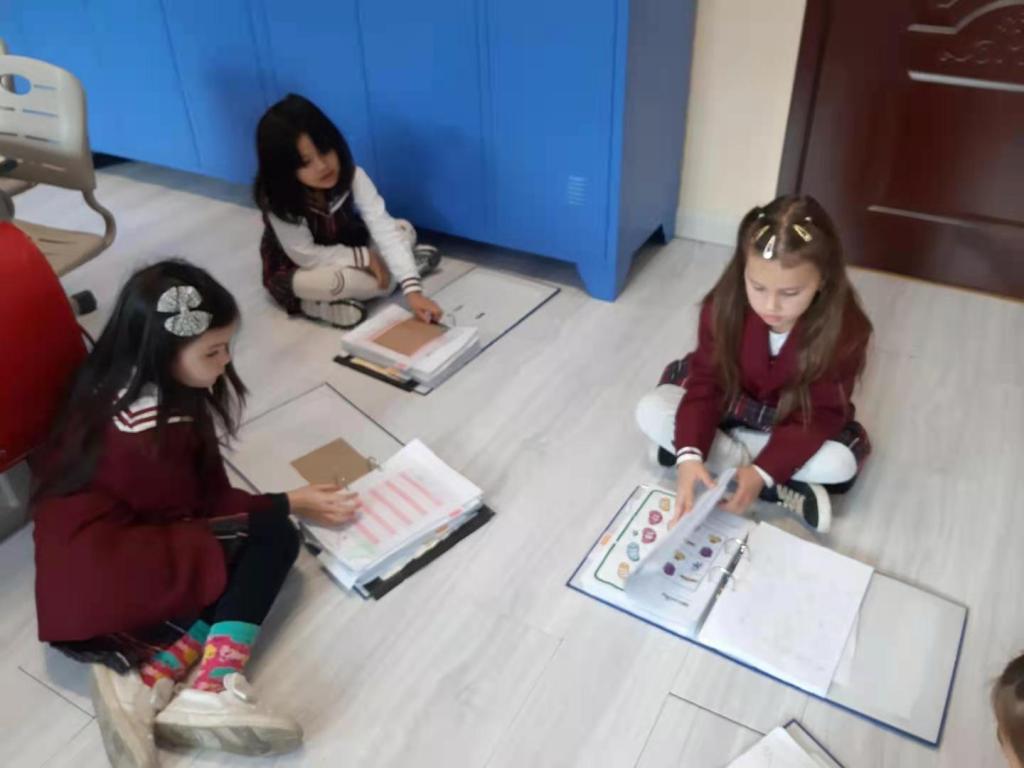
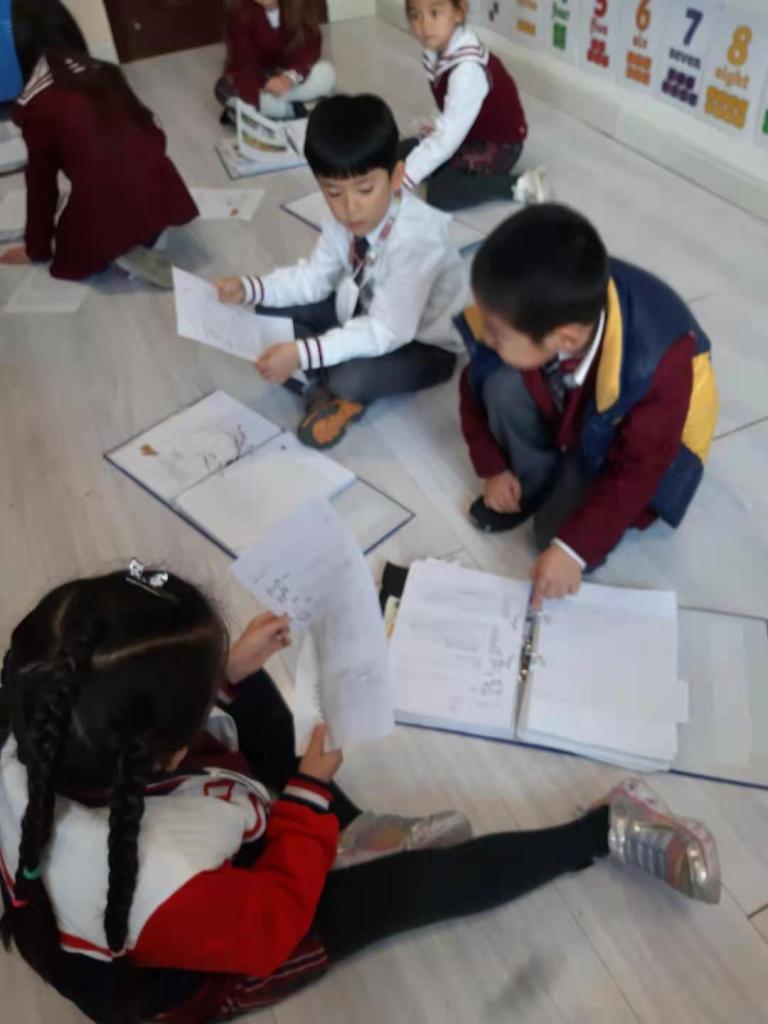
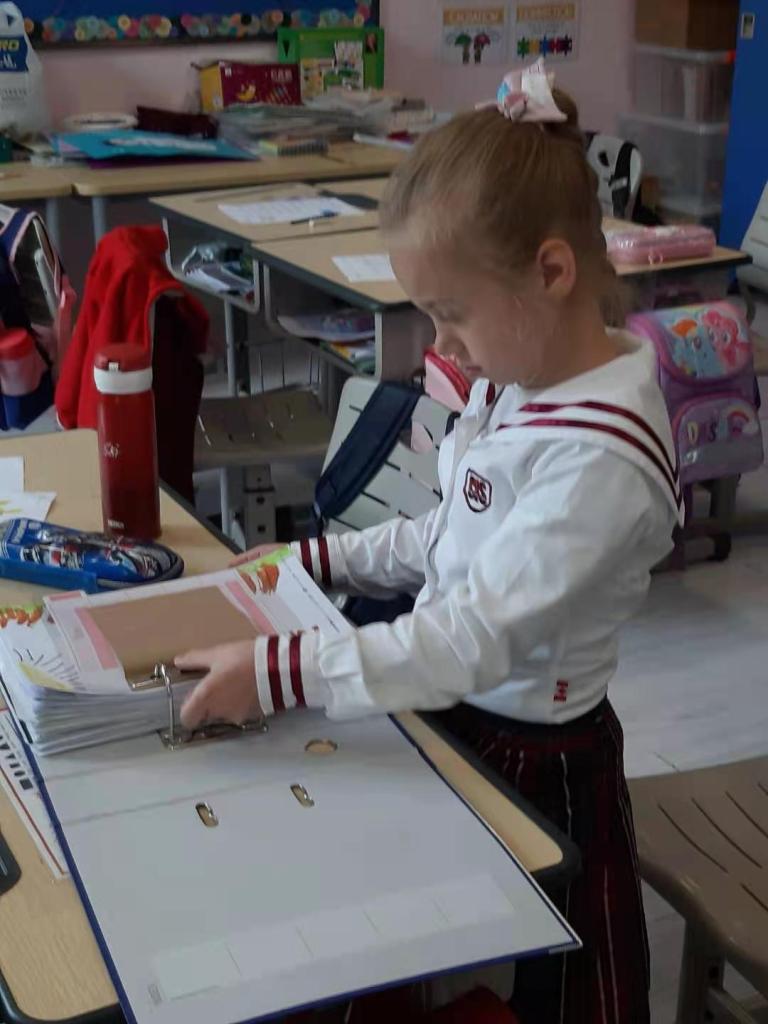
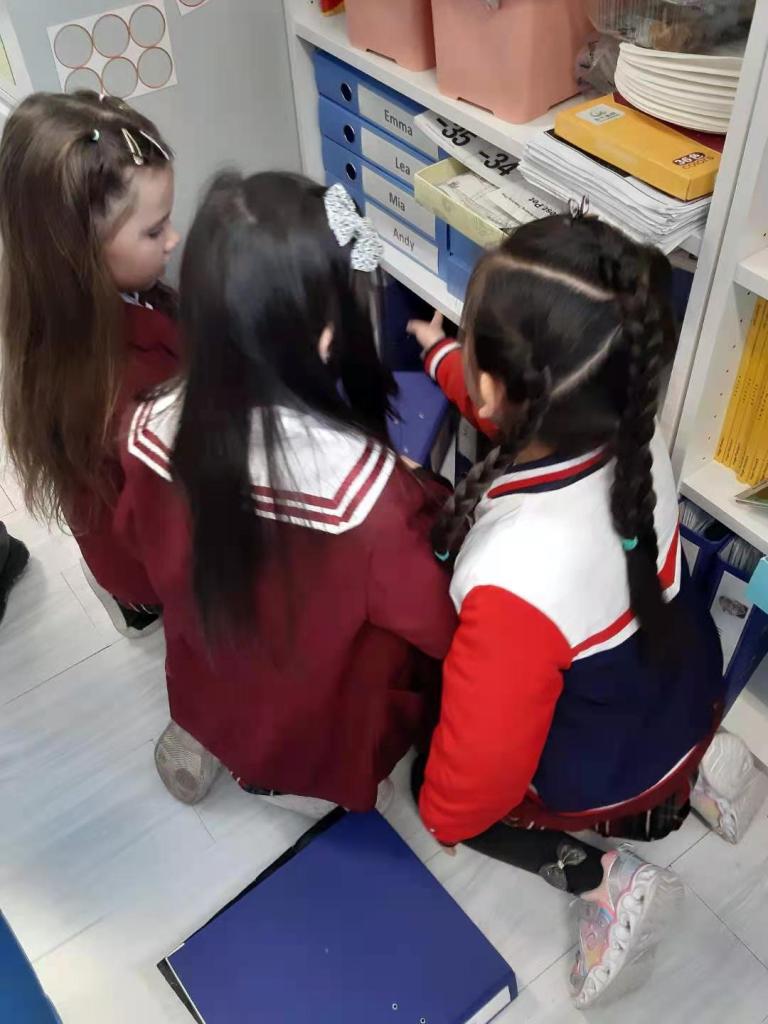
In an effort to help students to make their learning space more effective, I try to apply these steps in our daily classroom activities. We are not always successful, but this is a journey for all of us. Students have learned how to organize and arrange a filing system for their class work, and as part of the process learned how to use lever arch files effectively – a useful life skill! Although some students are naturally more organized than others, the Grade 1’s help their peers with filing – especially with sorting and putting things back in place when somebody forgot to close the lever or forgot to apply the “brake”! As part of this whole process, students are motivated to clean their desks and eating areas. They must get rid of waste in their desks and keep only essential learning material. This helps to promote their understanding of personal responsibility. They become aware that getting rid of clutter, sorting items and getting a place for everything makes their lives easier. It is not always an easy, but we hope that with sustaining the system and be disciplined, it may become a habit which will serve these young students well in adulthood.

 CISS Teacher's Blog